
What is loss of use coverage on auto insurance? Loss of use is a first-party coverage, often called rental reimbursement coverage or transportation expense coverage, that helps pay for a rental car or alternative transportation when your vehicle is undrivable after a covered claim. It comes with daily and total dollar limits set by your policy. Keep in mind that “loss of use” can also refer to a third-party damage claim you’d file against an at-fault driver’s insurer, which works differently.
Why Loss of Use Coverage Matters
If your car is totaled or in the shop after an accident, you’ll still need to get to work, pick up the kids, or run errands. Loss of use coverage addresses this need. This optional add-on to your auto policy can save you hundreds of dollars in rental fees or rideshare costs while your vehicle is being repaired or replaced.
There are, however, two kinds of “loss of use:”
- First-party loss of use is coverage you purchase on your own policy. You file a claim with your insurer, and they reimburse you directly for rental or transit expenses, subject to your policy’s daily and total limits.
- Third-party loss of use is a claim you file against the at-fault driver’s insurance when someone else causes the damage. You’re seeking reimbursement from their carrier, not yours.
The distinction matters because who pays, how fast you’re reimbursed, and what documentation you’ll need all depend on whether you’re using your own coverage or pursuing the other driver’s insurer.
What Does Loss of Use Coverage Actually Pay For?
Most rental reimbursement or transportation expense policies cover:
- Rental car fees from a standard rental agency
- Rideshare or taxi costs (Uber, Lyft, cabs)
- Public transit fares (bus, train, subway)
Typical daily limits range from $40 to $70 per day, though some policies go higher. Total coverage often caps out at 30 to 45 days or a maximum dollar amount, say, $1,200 to $2,100 total. Limits vary by insurer and state, so always check your policy declarations page.
For example, if your policy offers $50/day for 30 days, you can claim up to $1,500 in rental or transit expenses. If repairs take longer, you’ll cover the rest out of pocket once you hit that cap.
When Does Loss of Use Coverage Apply?
Loss of use coverage applies when your vehicle is undrivable due to a covered claim under your comprehensive or collision coverage. Common scenarios include:
- Collision damage from an accident
- Comprehensive claims like theft, vandalism, fire, or weather damage
- Total loss situations where your car is declared a write-off
Some states and insurers automatically provide rental coverage during theft claims, even without a rental endorsement, based on regulatory guidance or policy terms. You may also need to carry comprehensive or collision coverage as a prerequisite to add rental reimbursement to your policy.
What Loss of Use Coverage Doesn’t Cover
Like all insurance, rental reimbursement has limits and exclusions. It won’t cover:
- Non-covered losses like mechanical breakdowns, routine maintenance, or wear and tear
- Upgrades beyond your daily limit: if you rent a luxury SUV that costs $100/day but your policy only pays $50/day, you’ll pay the difference
- Extras like GPS, child seats, or fuel, unless your policy explicitly includes them
- Downtime for parts delays in some states; rules vary, so confirm whether your insurer credits you for delays outside the repair shop’s control
Always read your policy wording carefully, and ask your agent if you’re unsure what’s included.
First-Party vs. Third-Party Loss of Use
First-Party (Your Own Policy):
- You file with your insurer
- Reimbursement is typically faster
- Subject to your policy’s daily and total limits
- You may need to pay up front and submit receipts, or your insurer may pay the rental agency directly
Third-Party (At-Fault Driver’s Policy):
- You file a claim against the other driver’s insurer
- Reimbursement can take longer while liability is confirmed
- You’ll need to document the accident, prove the other driver’s fault, and match rental dates to repair timelines
- In some commercial or business vehicle claims, “loss of use” can include lost profits or business interruption, depending on state law
- State laws vary widely: some cap third-party rental durations, while others allow “reasonable” rental periods based on repair timelines
If the accident wasn’t your fault, you can often pursue both options: use your first-party coverage for immediate reimbursement, then seek full compensation from the at-fault driver’s insurer later.
How to Use Your Loss of Use Coverage:
- Notify your carrier as soon as possible after the accident or loss.
- Confirm your limits before booking a rental—ask your adjuster about your daily cap, total duration, and any prerequisite coverages.
- Book a rental or arrange transit: choose a vehicle that fits within your daily limit to avoid out-of-pocket costs.
- Keep all receipts: save rental agreements, rideshare confirmations, and transit tickets.
- Match dates to repair orders or total loss letters: your rental period should align with the shop’s documented repair timeline or your insurer’s settlement process.
Most insurers will either pay the rental agency directly or reimburse you after you submit receipts and proof of repair dates.
Watch Out for These Common Gotchas
Rental Agency “Loss of Use” Fees
If you damage a rental car, the rental agency may charge you a “loss of use” fee (compensation for the days they can’t rent that vehicle while it’s being repaired). This fee is separate from your auto insurance’s loss of use coverage and often isn’t covered by your personal auto policy or credit card rental coverage. Review your rental agreement, credit card benefits, and policy exclusions, and document the repair timeline if you notice this fee.
Credits for Parts Delays
In some states, insurers must credit you for delays caused by parts shortages or other issues outside the repair shop’s control. In others, the clock starts ticking the moment your car enters the shop (even if it sits idle waiting for parts). Track all communications with your shop and insurer, and ask whether your state requires credits for these delays.
Special Considerations for Exotic and Luxury Vehicles
If you own a supercar, exotic, or high-end luxury vehicle, loss of use coverage becomes a little more complicated.
Higher Rental Costs
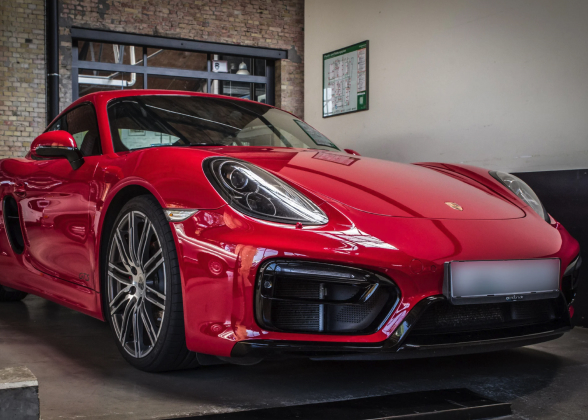
Standard rental reimbursement policies with $40–$70 daily limits won’t come close to covering a comparable replacement for your Ferrari, Lamborghini, Porsche GT3, or McLaren. Exotic car rentals can easily run $500 to $2,000+ per day. Review your policy to see if you can purchase higher daily limits, or consider whether a third-party claim against the at-fault driver’s insurance might be necessary to cover the actual cost of a comparable vehicle.
Limited Availability
Even if you have adequate coverage limits, finding an exotic or luxury rental that matches your vehicle may be difficult or impossible in your area. Document your efforts to secure a comparable vehicle, as this can support claims for higher rental costs or alternative transportation.
Longer Repair Times
Exotic and luxury vehicles often require specialized parts, certified technicians, and longer repair timelines. A repair that might take two weeks for a standard sedan could take two to three months for a limited-production supercar. Make sure your policy’s total day or dollar cap can cover extended repair periods.
Specialty Shops
Insurance adjusters may not be familiar with the repair requirements for high-end vehicles. If your insurer questions the repair timeline or tries to cap your rental period prematurely, work with your repair shop to provide detailed documentation of parts delays, specialty work, and industry-standard timelines for your vehicle.
Third-Party Claims
If you weren’t at fault, pursuing a third-party loss of use claim against the at-fault driver’s insurer may allow you to recover the actual cost of a comparable rental, rather than being limited by your own policy’s caps. Keep receipts, rental agreements, and correspondence showing your attempts to secure appropriate transportation.
What Else Should You Know?
Once you understand how loss of use and rental reimbursement work, you’ll be better equipped to navigate the full spectrum of post-accident claims. If you own a high-end, exotic, or luxury vehicle, you may also want to look into diminished value claims, i.e., compensation for the drop in your car’s resale value after an accident, even if repairs are perfect.
At SuperCarClaims.com, we understand the unique challenges exotic and luxury vehicle owners face after an accident. We help car owners recover what they’re owed after accidents, whether that’s loss of use compensation, diminished value, or total loss settlements. If you’re dealing with a complex claim and need expert guidance, we’re here to help.
Note: Insurance rules and coverage limits vary by state and insurer. This article provides general information and should not be considered legal or financial advice. Always review your policy and consult with a qualified professional for guidance specific to your situation.